A garage door tends to earn attention only when it stops behaving the way it should. It sticks halfway. It makes a harsher sound than usual. The remote works one day and not the next. Or the door starts closing, hesitates, and heads back up again. By that point, the problem feels sudden. In practice, many garage door failures build slowly through wear, environmental exposure, and small adjustments that drift over time.
That is why annual servicing matters. A garage door is not a single moving panel. It is a system made up of hardware, a motor in many cases, springs, alignment points, and A1 Garage Doors Southport QLD control components that all need to work together. When that system is inspected and adjusted once a year, reliability usually improves for a simple reason: developing faults are easier to catch before they turn into breakdowns.
In places like the Gold Coast, that annual routine becomes even more useful. Salt air, humidity, and heat can affect garage-door hardware and increase maintenance needs. Conditions like that do not guarantee failure, but they do create a stronger case for regular inspection. What might remain stable for longer in a milder environment can start showing wear faster in coastal conditions.
Reliability is usually lost in small increments
Most garage doors do not fail all at once without warning. A door that eventually needs a major repair often gives subtle signals first. The movement can become uneven. The close cycle can turn inconsistent. A motor can sound more strained. A remote can become unreliable, or the door may no longer sit as smoothly as it once did.
The challenge is that homeowners get used to gradual change. If a door gets a little louder over six months, that often feels normal. If the travel becomes slightly rougher each week, nobody notices until the problem becomes obvious. Servicing interrupts that process. It puts trained eyes on the door before the owner has adapted to its decline.
That is especially important for problems related to garage door alignment. A door does not need to come off track entirely for alignment to affect reliability. Even modest misalignment can change how smoothly the system operates and how hard the opener has to work. Left alone, that kind of issue may show up later as repeated interruptions, erratic movement, or a complaint that sounds simple on the surface, such as a garage door not closing properly.
Annual servicing is really preventive repair
People sometimes separate maintenance from repair as if they are unrelated. In garage door work, they overlap. A service visit often identifies the beginning of a repair issue before it becomes urgent. That is the practical value.
A technician may find that a component is wearing out, that a motor is no longer operating as cleanly as it should, or that the balance of the system is changing. If that is addressed during scheduled servicing, the owner may avoid the more disruptive version of the same problem later.
This is one reason garage door businesses commonly offer servicing alongside repairs, installations, and replacement of parts such as motors, remotes, and springs. These are not separate worlds. The same system that needs routine inspection is the system that eventually needs component replacement when wear catches up to it.
For homeowners, this changes the way annual service should be viewed. It is not an optional add-on meant to make a working door feel slightly better. It is one of the most direct ways to reduce the chances of avoidable garage door opener repair or a sudden callout because the door will no longer open or close as expected.
What a yearly service helps uncover
A proper annual service has real value because it can uncover conditions that are easy to miss during daily use. The point is not to create work where none exists. The point is to catch wear, imbalance, and component decline while the system is still operational.
A service commonly focuses on areas such as:
The general condition of the door system and moving parts Signs of wear in components such as springs, motors, and remotes Alignment issues that affect smooth travel Changes in operation that could explain why a garage door is not closing properly Whether aging parts are approaching replacement rather than remaining dependableThat list sounds simple, but it reflects how garage door reliability is actually preserved. The issue is rarely one dramatic defect. More often, it is a chain of small faults that increase stress across the system.
Springs are a major reason servicing should not be skipped
Few garage garage door resource door components deserve more respect than the springs. They are standard repair items, and spring replacement is a common service offering. More importantly, springs are under high tension and are dangerous to adjust or repair without proper training and tools.
That matters for reliability in two ways. First, a spring problem can affect how the door moves long before a complete break occurs. Second, homeowners often underestimate the seriousness of spring wear because the symptoms can resemble a motor issue or a simple operating glitch. A door may feel heavy, uneven, or inconsistent. From the outside, it is easy to assume the opener is the whole problem.
Annual servicing gives a professional a chance to assess spring condition before failure forces the issue. If a spring has broken, there is another important judgment call that often comes into play: both springs may need replacement because they tend to wear at a similar rate, and mismatched springs can create balance problems. That is not a detail most homeowners would know, but it has direct consequences for reliability. Replacing one worn spring while leaving a similarly aged mate in place can set up the next problem rather than solving the current one fully.
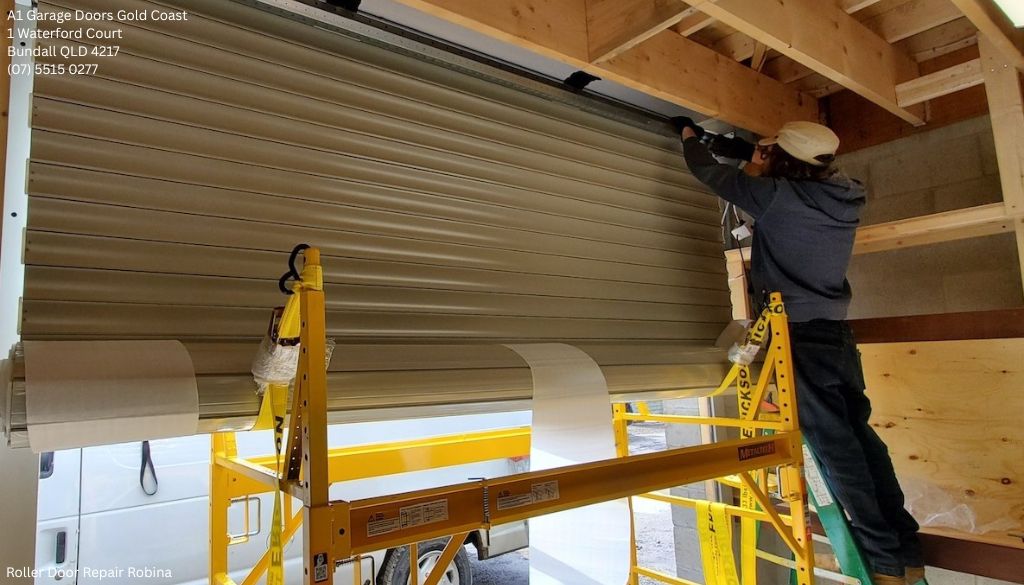
This is also an area where do-it-yourself confidence can become risky. A homeowner may be perfectly capable of tightening a loose screw or changing a remote battery. Springs are different. The tension involved makes them a safety issue, not just a mechanical inconvenience.
Motors and remotes benefit from routine attention too
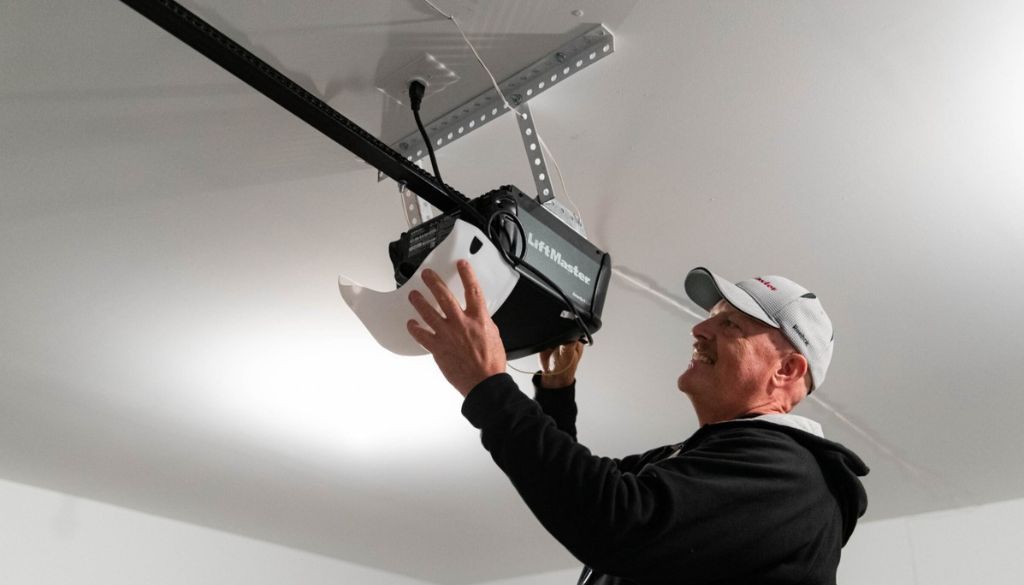
Many garage-door companies in the Gold Coast area offer motor replacement, motor installation, and automation upgrades for existing garage doors. That tells you something useful about the real service life of these systems: motors and control components are not permanent. They age, they wear, and they eventually need repair or replacement.
Annual servicing helps separate a true motor problem from other faults that merely look like one. That distinction matters because a struggling opener is not always a failed opener. A door that is out of alignment, unbalanced, or affected by worn hardware can place extra strain on the motor. If the underlying cause is corrected early, the motor may continue operating reliably for longer than it would under constant stress.
The same goes for remotes and related control issues. If a remote becomes unreliable, it may be tempting to treat it as a minor annoyance and keep pressing the button harder or repeatedly. During servicing, those control issues can be assessed in the context of the whole door system. Sometimes the answer will be straightforward replacement. Other times, the remote complaint is simply the most visible symptom of a broader operating issue.
From a homeowner’s perspective, this is where annual service often saves frustration more than money. A garage door opener repair call after a complete failure is disruptive. A scheduled check that reveals a weakening motor or aging control component before the system quits is usually easier to plan around.
Why coastal conditions raise the stakes
Gold Coast conditions deserve special mention because local climate is not a cosmetic factor. Salt air, humidity, and heat can affect garage-door hardware and increase maintenance needs. Anyone who has lived near the coast has seen how those conditions can shorten the comfortable life of exposed hardware in general. Garage doors are no exception.
This does not mean every coastal garage door is in constant trouble. It means the operating environment is less forgiving. Moisture and salt exposure can gradually affect hardware condition. Heat can add its own stress over time. Even when a door still functions, those environmental pressures can accelerate the slow drift from smooth operation to unreliable operation.
That is why an annual interval makes sense. At least one local garage-door business recommends professional servicing every 12 months to help prevent breakdowns and extend the life of the door and motor. In a climate with added wear factors, waiting until a fault becomes obvious is often waiting too long.
The useful mindset here is not fear, but realism. A garage door that works several times a day is already doing repetitive mechanical work. Add a coastal environment, and routine servicing starts to look less like caution and more like basic stewardship.
The common complaint: the door is not closing properly
If there is one issue that prompts immediate concern, it is a garage door not closing properly. People notice that fast because it affects security, convenience, and daily routine. The causes can vary, which is exactly why servicing is valuable.
Sometimes the problem stems from alignment drift. Sometimes it relates to a worn or failing component. Sometimes the motor is involved. Without inspection, the owner is left guessing, and guessing tends to produce the least efficient response. People often jump straight to wanting to fix garage door behavior by adjusting random parts or repeatedly cycling the opener. That can waste time and, in the case of spring-related problems, create real danger.
During annual servicing, a technician can often spot the conditions that lead to this complaint before it becomes urgent. If the door travel is no longer even, if certain components show wear, or if the system is beginning to lose proper balance, those findings matter long before the door fully refuses to close.
In day-to-day life, this is one of the strongest arguments for servicing. It addresses reliability where reliability is most visible. A garage door either opens and closes when needed, or it becomes a recurring problem in the household. There is not much middle ground.
Servicing also improves decision-making
One underrated benefit of annual servicing is that it gives homeowners better timing. Not every aging component needs immediate replacement. Not every odd noise means a crisis. What owners often need most is informed judgment.
A good service assessment can clarify whether the door needs a minor adjustment, a specific replacement part, a broader repair, or simply continued observation until the next interval. That is more valuable than it may sound. Without that context, people tend to do one of two things: they ignore the issue too long, or they replace too much at once out of uncertainty.
This is especially relevant when discussing automation upgrades or motor replacement. Since these services are commonly offered in the region, many owners eventually face a decision about whether to keep repairing an older setup or move to a replacement solution. Regular servicing provides the history that helps make that call. If a door has needed only modest attention and still runs reliably, repair may be sensible. If service visits repeatedly point to declining components, replacement may become the clearer path.
The annual record of how the system is aging can be more useful than any single repair event.
What homeowners should pay attention to between service visits
An annual service does not replace everyday awareness. It works best when homeowners notice changes and act before a minor fault becomes a larger one. Most people do not need deep technical knowledge to spot the signs that something has shifted.
Watch for a few practical changes:
The door sounds rougher, harsher, or more strained than usual Opening or closing becomes uneven or inconsistent The remote response changes noticeably The door seems to hesitate, reverse, or stop short You find yourself saying the door has been “a little off” for weeksThat last point matters more than people expect. When a door is “a little off,” that is often the best time to book attention. A problem that is still intermittent is usually easier to diagnose in context than one that has already triggered a complete breakdown.
Why annual service is often cheaper than reactive ownership
It is tempting to delay servicing because the door still works. That logic makes sense on the surface. No one likes paying for maintenance they cannot immediately see. But garage doors punish reactive ownership more often than many homeowners expect.
The hidden cost is not only the repair bill. It is the inconvenience of a non-working door, the scheduling pressure of an urgent callout, and the stress of not knowing whether the issue is minor or serious. If the failure involves a spring, there is also the safety concern. If the failure affects closing, there may be a security concern until the problem is resolved.
Annual servicing shifts the pattern from crisis response to managed upkeep. It cannot prevent every failure. No honest technician would promise that. Parts still wear out, and systems still age. What servicing does is reduce the chance that those failures arrive without warning.
That distinction is important. Reliability does not mean perfection. It means the door performs consistently, and when wear begins to show, it is caught early enough to be handled on reasonable terms.
The real value of a consistent 12-month rhythm
The recommendation for professional servicing every 12 months is sensible because it balances practicality with prevention. More frequent visits may be unnecessary for some doors. Less frequent attention can allow too much wear to accumulate unnoticed, especially in a hot, humid, salt-air environment.
A yearly rhythm also fits how many garage door problems develop. It is long enough for meaningful wear patterns to emerge, but not so long that those patterns are guaranteed to become breakdowns. In other words, it is not an arbitrary interval. It reflects the useful point between over-servicing and neglect.
This schedule also works well for households because it becomes easy to remember. Once the door is on a yearly service cycle, owners are less likely to wait until a fault becomes disruptive. That alone improves reliability because it changes the timing of care.
Reliability depends on respecting the whole system
Garage door problems are often described by symptom. The remote is not working. The motor sounds wrong. The door is crooked. The garage door is not closing properly. Those descriptions are useful, but they can hide the bigger picture. The whole system has to stay in working relationship with itself.
That is where annual servicing earns its keep. It looks beyond the immediate complaint and checks whether the door, motor, springs, and operating components are still functioning together the way they should. It catches the small shifts that turn into repeat issues. It helps avoid unnecessary strain on motors. It brings attention to springs before failure creates a dangerous situation. In coastal areas, it counters the extra wear that salt air, humidity, and heat can introduce.
For homeowners who want the simplest version of the message, it is this: if you want to fix garage door problems less often, give the door a reason to stay dependable. Annual servicing does exactly that. It supports reliability not through guesswork or optimism, but through regular inspection, timely adjustment, and informed repair before minor wear becomes a major interruption.