When a severe storm or cyclone is on the way, most people think first about windows, outdoor furniture, gutters, and the roof. The garage door often gets attention late, if it gets attention at all. That is a mistake. In practical terms, the garage door is one of the largest openings in the home, and if it fails under wind pressure, the damage can spread far beyond the garage itself.
That matters for two reasons. First, the door has to resist the weather itself. Second, the garage door opener has to keep working in a way that is safe, predictable, and easy to manage while conditions are changing. A door that sticks, slams, or will not close properly is irritating on a clear day. Before a storm, it becomes a weak point.
Queensland guidance treats this seriously. Preparation should happen before storm season, and people are advised to go outside only after it is officially safe. Government guidance for cyclone readiness also singles out garage doors, noting that they should comply with AS/NZS 4505 and be correctly rated for wind pressure, or have a bracing system that can be installed before a cyclone. That is not a minor housekeeping note. It reflects a basic building truth: when a garage door gives way, wind can enter the house and increase damage to roofs and walls.
From years of seeing how small maintenance issues become expensive failures, I can say this much with confidence: storm prep for a garage door opener is less about gadgets and more about clear, boring, disciplined checks. You are trying to answer three questions before the weather turns. Will the door close securely. Is the opener behaving normally. If something is outdated or non-compliant, is it time to stop patching and start planning for garage door replacement.
The opener is only one part of the system
People often talk about garage door openers as if the motor is the whole story. It is not. The opener is part of a system that includes the door itself, the framing around it, the garage door tracks, the hardware, and the counterbalance components that help the door move. If one part is compromised, the opener may struggle, stall, or force the issue in ways that hide a bigger problem.
That is why a storm prep check should start with the overall condition of the opening. If the door already looks uneven, scrapes on one side, or hesitates midway, the opener may be compensating for wear or misalignment. That does not prove storm failure is imminent, but it does tell you the system is not in ideal condition.
This is also where judgment matters. Homeowners can do useful visual checks, but not every issue is a do-it-yourself issue. Garage door springs in particular deserve caution. They are not the place for improvisation. If there is any sign that the door is not moving normally, calling a qualified contractor is the safer choice, especially when the goal is to secure the home before severe weather.
Why storms put garage doors under real pressure
A garage door is a broad, exposed surface. In normal conditions, that size is just a design feature. In severe weather, it becomes a structural question. Queensland materials warn that garage door failure can allow wind into the house, increasing the risk of damage elsewhere. Once internal pressure rises, roofs and walls can be affected. That is why resilience guidance treats garage doors as a high-priority opening.
This has practical implications for the opener. If the opener is the only thing keeping a questionable door moving and latching, it is not enough. The motor cannot make an under-rated door storm-ready. It cannot compensate for a frame that should be replaced. It cannot turn a non-compliant installation into a compliant one because the remote still works from the driveway.
I have seen homeowners take comfort in the fact that the opener sounds strong. The door goes up, the light comes on, the remote responds, so the assumption is that everything is fine. Function is not the same as readiness. A garage door can operate every day and still be the wrong door for the wind conditions it may face.
What to check before a storm arrives
There is a short window when storm preparation feels manageable. After that, every task takes longer because roads are busy, stores run low on supplies, and weather updates become more urgent. Your garage should be checked while conditions are calm and dry.
Use this simple five-point review:
Confirm the door closes fully and consistently, without sticking, shuddering, or reversing unexpectedly. Look at the door, frame, and garage door tracks for obvious damage, looseness, or distortion. Make sure the opener responds normally from your usual controls and does not sound strained. Check whether the door is wind-rated and compliant, or whether a cyclone bracing system is required for your setup. Clear and secure the garage area so vehicles, tools, and loose items are not adding risk.That checklist is intentionally plain. Before a storm, plain is good. The goal is not to perform a deep mechanical overhaul. The goal is to identify anything that would keep the door from being secured properly, and anything that suggests the door itself is the weak point.
One caution here is worth stressing. If your inspection turns up bent hardware, a door that has come out of alignment, or signs of trouble with garage door springs, this is the moment to stop escalating the job. Storm preparation should reduce risk, not create a new one in your driveway.
The overlooked issue: how the garage is being used
A garage door opener is usually part of daily routine, not emergency planning. That routine matters. If the garage is the main entry to the home, storm preparation should account for how often the door will be used as weather worsens. Repeated opening and closing right before heavy wind or rain arrives can be a problem if the area is cluttered, the vehicle is parked poorly, or the opener is already inconsistent.
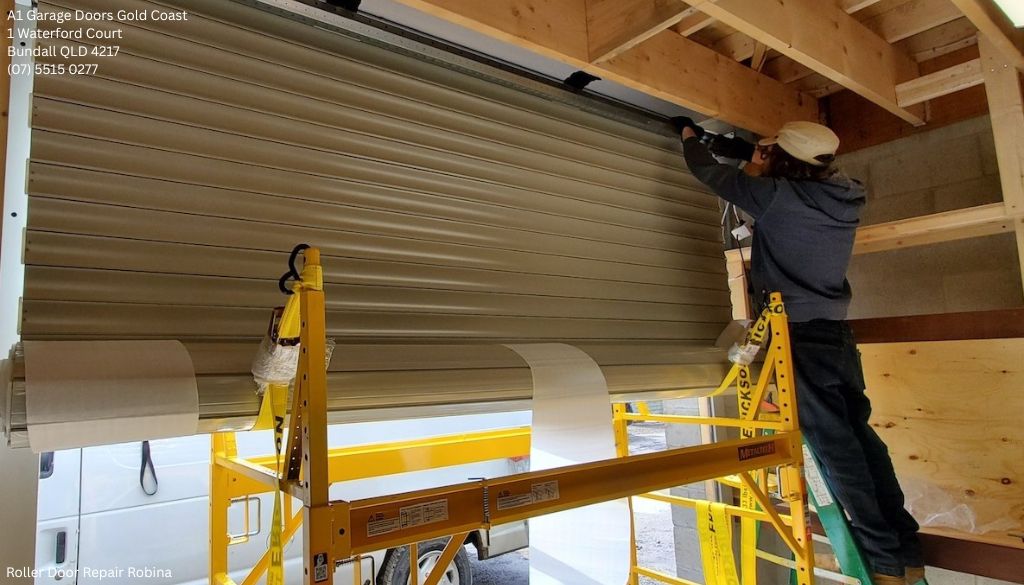
Queensland advice also recommends securing loose outdoor items and parking vehicles under shelter if possible. The garage often becomes the default shelter area, which means the opener and the door may be used more than usual in the final preparation window. If the door is slow, noisy, or unreliable, you do not want to discover that when you are trying to get the car inside between squalls.
There is also an electrical side to this. Official storm guidance includes unplugging electrical items. In practical terms, that makes the garage a place where people may be disconnecting chargers, tools, freezers, and other equipment. The opener is part of that environment, even if homeowners may not always think of it that way. The broader point is simple: a garage full of plugged-in equipment, extension leads, loose objects, and a partially working opener is not prepared.
Compliance matters more than convenience
This is where many homeowners have to separate maintenance from resilience. If your current door is not compliant or not appropriately wind-rated, convenience fixes are limited. Queensland cyclone-preparation guidance states that a garage door should comply with AS/NZS 4505 and be correctly rated for wind pressure, or have a bracing system that can be installed before a cyclone. That means proper storm readiness may involve more than tuning the opener or replacing a remote battery.
Queensland housing resilience guidance goes further by identifying the replacement of existing garage doors and frames with wind-rated versions as part of household resilience work. It also notes that non-compliant garage doors can be a cost-effective replacement target for improving cyclone resilience. That is a useful phrase, cost-effective replacement target, because it captures a reality contractors see all the time. People are often willing to spend money repeatedly on small fixes while avoiding the larger but smarter decision.
A garage door replacement is not the answer to every issue. If the existing door is compliant, in good condition, and appropriate for the property, then regular maintenance and proper storm prep may be enough. But where the door and frame are the actual vulnerability, replacing the opener alone misses the point. In those cases, the right solution may be a wind-rated door, a stronger frame, or a properly specified bracing system installed as required before cyclone conditions.
Where openers help, and where they do not
A well-functioning opener is still valuable. It helps you secure the garage quickly, especially when weather is changing and you are trying to limit the time spent outside. It also reduces the temptation to leave the door partially open while moving things in and out. Small delays lead to bad decisions, and bad decisions show up fast when rain starts blowing sideways.
But there are limits. An opener is not storm armor. It does not increase the wind rating of the door. It does not correct a non-compliant installation. It does not strengthen the surrounding frame. If the opener is attached to a door system that should have been upgraded years ago, it becomes a convenience feature attached to a vulnerability.
This is also why I advise against reading too much into how “strong” the motor feels. The better question is whether the whole assembly is suitable for the conditions your home may face. That is less exciting than discussing horsepower or smart controls, but it is the discussion that matters before a storm season.
A note on garage door springs and garage door tracks
The keywords people search for often reveal where their concerns really are. Garage door springs and garage door tracks are two of the most common. That makes sense. When either has a problem, the opener’s performance changes quickly.
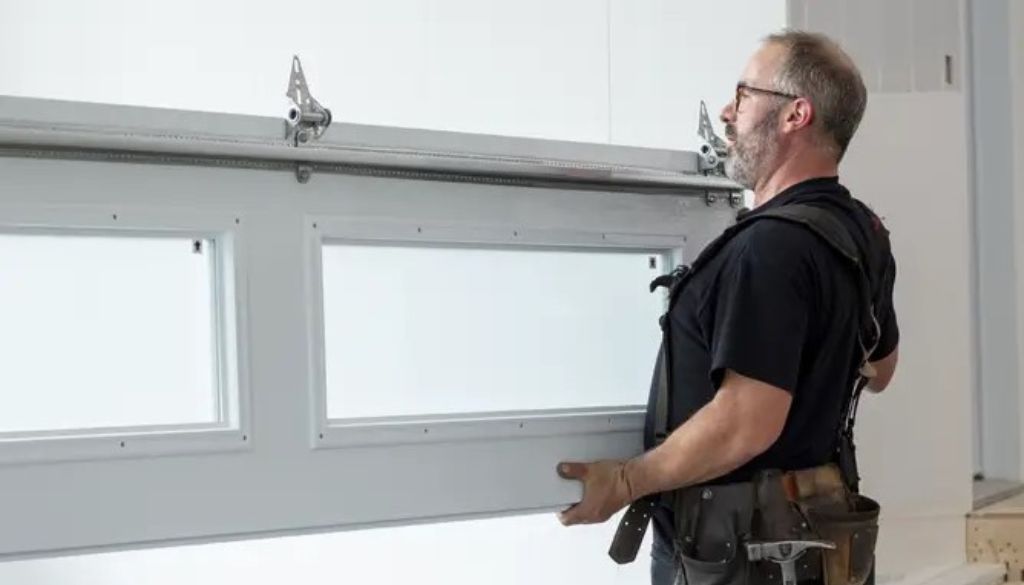
If the tracks are visibly out of alignment or the door is not travelling cleanly, the opener may struggle to open or close the door evenly. If the springs are not doing their part, the opener may sound like it is working harder than usual. From a storm-preparation perspective, both issues matter because they may prevent the door from being secured properly when time is short.
What should not happen is a rushed repair by someone who is not equipped for it. Tracks can look like a simple alignment issue and turn out to involve hardware movement or frame concerns. Springs can appear to be an adjustment problem when they are really a safety hazard. Before severe weather, the right decision is often restraint. Get the obvious loose items sorted, stop using a door that is clearly malfunctioning, and bring in a qualified contractor rather than forcing the system through one more week.
The attached-garage factor
An attached garage adds another layer to the conversation. Queensland and Australian guidance around resilience and energy performance points in a useful direction here. We know that door openings matter for both weather resistance and draught control. Australian energy-efficiency guidance notes that draught stoppers at the base of doors can help reduce heat loss. That is not storm hardening by itself, but it reminds us that the garage opening affects more than access. It influences how air moves around the home.
In attached garages, people often notice this first in comfort terms. The room above the garage is hotter, or the hallway beside the garage feels drafty. While energy concerns are not the same as cyclone resilience, they can act as an early warning that the opening is not sealing well. A door that leaks air badly on calm days deserves a closer look before storm season.
That does not mean every draught issue is a structural storm problem. It does mean the garage door opening should be thought of as part of the building envelope, not just a moving wall for the car.
Timing matters more than people think
The best garage storm prep happens before a warning is issued. Official guidance says homeowners should prepare before storm season and only go outside after it is officially safe. That timing is not bureaucratic caution. It reflects the reality that once conditions deteriorate, routine jobs stop being routine.
I have watched people delay garage work because the opener “mostly works” and the forecast “might miss us.” Then the weather shifts, a contractor’s calendar fills, and suddenly the family is improvising around a door that should have been addressed months earlier. Preparation has a compounding effect. A problem solved in dry weather is a maintenance item. The same problem discovered on the eve of a cyclone becomes a stress multiplier.
That is particularly true if your property depends on the garage as the main sheltered entry. If the door cannot be trusted, every trip to the car and every effort to secure belongings becomes harder.
When to maintain, when to brace, when to replace
Not every home needs the same response. Some need only a seasonal inspection and a general tidy-up around the garage. Others need a compliant bracing system ready before cyclone conditions. Still others are at the point where garage door replacement is the more sensible investment.
A useful way to think about the decision is this:
Maintain the existing system if the door is compliant, in sound condition, and operating normally. Use a proper bracing system if your setup requires one and it is intended to be installed before a cyclone. Plan replacement if the door or frame is non-compliant, under-rated, or repeatedly problematic. Call a qualified contractor if there are safety concerns, visible damage, or questions about wind suitability. Avoid last-minute improvisation, especially on springs, tracks, or structural components.This is where professional judgment earns its keep. Two homes on the same street can have very different needs depending on age, installation details, and whether previous work was done to an appropriate standard. A homeowner may garage door resource see two garage doors that look similar. A contractor may see one that is serviceable and one that should be replaced before the next season.
A practical storm-day mindset
By the time the weather is close, your garage plan should be boring. The vehicle is under shelter if possible. Loose items are secured. The opener has already been checked. The door is down and not being used unnecessarily. Electrical items in the garage have been dealt with according to your wider household storm plan.
That calm, uneventful setup is the mark of good preparation. It means the opener is serving its proper role, simple access and reliable closure, instead of being asked to compensate for bigger weaknesses. It also means you are less likely to be outside late, fiddling with a stubborn door as conditions deteriorate.
Storm readiness is often framed https://goldcoastgaragedoorrepair.com.au/southport-qld/ as dramatic work, but the best version is usually quiet and preventative. For garage doors, that means respecting the opening for what it is: one of the home’s largest vulnerable points, and one of the easiest to overlook until the weather forces the issue.
If your door is compliant, wind-suitable, and in good condition, that is excellent. Keep it that way. If it is not, the opener is not the place to hide from the problem. The strongest preparation is honest preparation, and sometimes that leads to maintenance, sometimes to bracing, and sometimes to garage door replacement. The sooner that call is made, the simpler storm season becomes.