A garage door often sits at the edge of a homeowner’s attention. It is used every day, relied on without much thought, and then suddenly becomes a major concern when severe weather is forecast or the power starts flickering. That shift happens fast. A garage is not just a place to park a car or store tools. In many homes, it is a large opening in the building envelope, and if that opening fails under wind pressure, the damage can spread well beyond the garage itself.
That is why garage door openers deserve to be part of storm preparation, not just convenience planning. The opener is tied to access, timing, and safe decision-making before a power outage. At the same time, the opener is only one part of the larger picture. The door itself, its frame, its rating, and whether it can be properly braced matter just as much, and often more.
In Queensland, official guidance is clear that households should prepare before storm season and wait until it is officially safe before going outside after a severe event. That sounds straightforward, but in practice people get caught out by the familiar routine of everyday life. They leave the car outside, forget where the remote is, assume the opener will keep working, or put off dealing with an old door because it still goes up and down. Those are common habits in fair weather. They are poor habits when power risks and high winds are on the table.
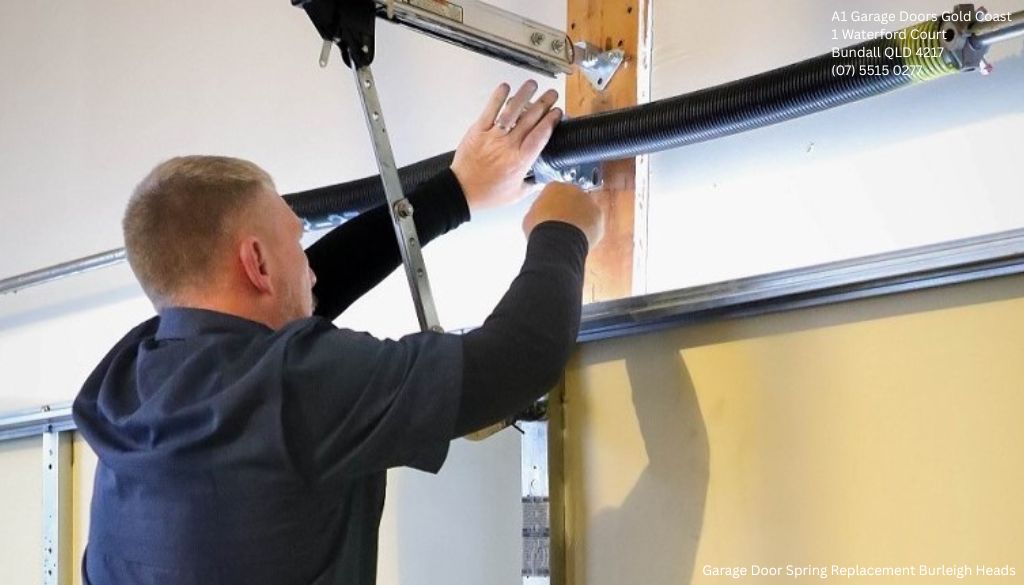
The garage door is not a minor detail
One of the most important points in cyclone and severe storm preparation is easy to overlook because a garage door feels so ordinary. Government resilience guidance in Queensland treats garage doors as a priority because failure at that opening can allow wind into the house. Once wind gets inside, the pressure can contribute to wider damage to roofs and walls. In plain terms, a weak garage door can become the starting point for much larger structural problems.
That changes the way a homeowner should think about the whole assembly. The discussion is not just about whether the door opens smoothly on a normal weekday. It is about whether the door complies with the relevant standard, whether it is rated for the wind pressure the home may face, or whether it has a bracing system that can be installed before a cyclone. Those are not cosmetic questions. They go to resilience.
This is also where a lot of people confuse day-to-day operation with storm readiness. A door can work perfectly with its garage door opener and still be a poor performer in severe weather if the door and frame are not compliant or properly rated. Smooth operation is useful. Structural adequacy is essential.
That distinction matters when homeowners start focusing on individual parts. It is common to hear questions about garage door springs, garage door tracks, or whether the motor seems strong enough. Those parts are part of the system, but storm preparation should begin with the bigger question of wind resistance and proper suitability, not with a narrow focus on convenience or isolated hardware.
What power risk really means for a garage door opener
When people hear the phrase power risk, they often think only of a blackout. The reality is broader. Power risk also includes the period before an outage, when weather is worsening and access decisions still need to be made. It includes the risk of relying on an opener too late, the risk of being forced outside in unsafe conditions, and the risk of treating an electrically operated door as if it will always be available on demand.
The practical issue is timing. If severe weather is coming, the safest moment to sort out the garage is before conditions deteriorate. Official Queensland advice on storm preparation includes securing loose outdoor items, parking vehicles under shelter if possible, and unplugging electrical items. All three points touch the garage directly.
Parking the vehicle under shelter sounds simple, but it changes what the garage needs to do. The opener should be used early enough that you are not standing in driving rain trying to get inside while the weather turns dangerous. Unplugging electrical items matters too, because many households keep chargers, fridges, freezers, tools, and appliances in the garage. If the garage is your access point for that task, you want it organised well before the power becomes unreliable.
There is also the plain inconvenience factor, which becomes a safety issue faster than people expect. A garage door opener is a wonderful convenience in normal conditions, but during a storm warning it should be treated as one layer in a larger preparedness plan, not the whole plan. If the power goes out after you have already moved the car under shelter and secured the space, that is manageable. If the power goes out before you have done those things, the same event becomes stressful and potentially unsafe.
Prepare before storm season, not on the day
Storm preparation works best when it is handled before a forecast creates urgency. That is especially true for garage doors, because the significant decisions are rarely the ones you can solve in an hour. If a door is not compliant, not properly rated, or does not have an appropriate bracing solution, that is not something to discover on the afternoon a cyclone watch is issued.
Queensland guidance specifically points homeowners toward preparation before storm season. For garages, that means asking whether the current door setup is genuinely part of the home’s resilience strategy. If the answer is uncertain, the door may deserve the same attention as roofing, windows, and other vulnerable openings.
A practical review usually starts with age and confidence. If a homeowner cannot say whether the garage door complies with the relevant standard, or whether it has been selected for the wind pressures expected in the area, that uncertainty itself is useful information. It may not prove the door is inadequate, but it does suggest the need for further checking.
In some homes, the answer will be garage door replacement rather than patchwork measures. Queensland housing resilience guidance explicitly notes that replacing existing garage doors and frames with wind-rated versions can form part of resilience work, and that non-compliant garage doors can be a cost-effective target for replacement. That matters because many owners delay replacement until a door becomes inconvenient or ugly. From a resilience standpoint, the trigger can be different. A door may still function every morning and still be the wrong door to trust in severe weather.
The short checklist that actually helps
There is no value in a long storm-prep list if nobody uses it. For garage access and opener planning, the essentials are compact.
Move vehicles under shelter early, before conditions become unsafe. Secure loose items in and around the garage so they do not become hazards. Unplug electrical items in the garage if storm conditions make that appropriate. Confirm whether the garage door is wind rated or has a bracing system that can be installed before a cyclone. If you are unsure about the door’s suitability, arrange qualified advice before storm season.That list is not glamorous, but it covers the mistakes that show up again and again. People tend to act too late, trust an old door because it still operates, or leave the garage cluttered and half-finished because they assume they will have time later. Sometimes they do. Sometimes they do not.
When an opener is helpful, and when it creates false confidence
A garage door opener is useful because it reduces effort and speeds access. In bad weather, those are genuine advantages. Being able to bring a car into shelter quickly, close the door promptly, and get inside without delay can make preparation easier and safer. That convenience should not be dismissed.
Still, an opener can also create false confidence. Homeowners sometimes equate motorised with secure. They are not the same thing. The opener does not make a weak door stronger in a cyclone. It does not make a non-compliant frame suitable for high wind. It does not substitute for proper rating or bracing.
I have seen plenty of homeowners focus on the part they touch most often, the wall button, the remote, the motor housing, while overlooking the far more consequential question of whether the door itself is the right product for the location. That is understandable. We notice what we use. But severe weather punishes what is structurally inadequate, not what feels inconvenient.
This is also why conversations about garage door tracks or garage door springs can drift off course when a storm is approaching. Those parts matter for operation, but the storm-readiness issue is larger. A door can be beautifully aligned and still be the wrong door for the site. A new opener can be fitted to an old system and still leave the home exposed. The opener improves function. It does not automatically improve resilience.
Why replacement is sometimes the smartest preparation
Many homeowners resist garage door replacement because it sounds like a large project for a component that still appears to work. Yet resilience upgrades are often most effective when they target weak points that have a broad effect on the home. A non-compliant garage door fits that description.
Queensland resilience guidance supports replacing existing garage doors and frames with wind-rated versions as part of improving household resilience. That is a sensible approach because garage doors are large, exposed openings. If one element of a home deserves clear certainty about performance, this is it.
The phrase cost-effective replacement is important too. It does not mean cheap. It means the replacement may provide meaningful resilience gains relative to the vulnerability being addressed. In practical terms, replacing a door that presents a known weakness can be a better investment than spending money on superficial improvements elsewhere.
There is also a timing benefit. Planned garage door replacement done outside storm season is very different from urgent replacement after damage, when supply, scheduling, and access may all be harder. Planned work allows time to ask the right questions, confirm suitability, and ensure the frame and door are considered together.
The attached garage and the comfort problem people ignore
Storm safety is the urgent issue, but there is a quieter, year-round point worth mentioning. Guidance on home energy efficiency in Australia notes that draught stoppers at the base of doors can help reduce heat loss. For homes with attached garages, that idea matters more than people think.
A garage can be a thermal weak point. If air movement at the base of the garage door is poorly controlled, the attached spaces often feel the effect. The benefit of addressing draughts is not the same as wind rating for severe weather, and the two should not be confused. Still, they sit in the same broader category of treating the garage as part of the home’s performance rather than as an isolated box.
That matters because homeowners often approach garage doors in fragments. They think about the opener when they are late for work, about the seal when the room beside the garage feels cold, and about storm integrity only when weather warnings appear. A better approach is to see the garage opening as a whole system with several jobs. It needs to provide access, contribute to safety, and avoid being a weak point in either comfort or resilience.
Use qualified help when the stakes are structural
Official guidance in Queensland encourages people to work safely or use a qualified contractor when securing vulnerable parts of the home. That is particularly relevant to garage doors because the consequences of getting it wrong can be serious, and because suitability for wind pressure is not something to guess at.
A homeowner can certainly handle sensible preparation tasks such as clearing the garage, moving the car, storing loose items, and unplugging electrical equipment where appropriate. But once the discussion turns to compliance, wind rating, bracing systems, or whether garage door replacement is the right path, it makes sense to involve qualified help.
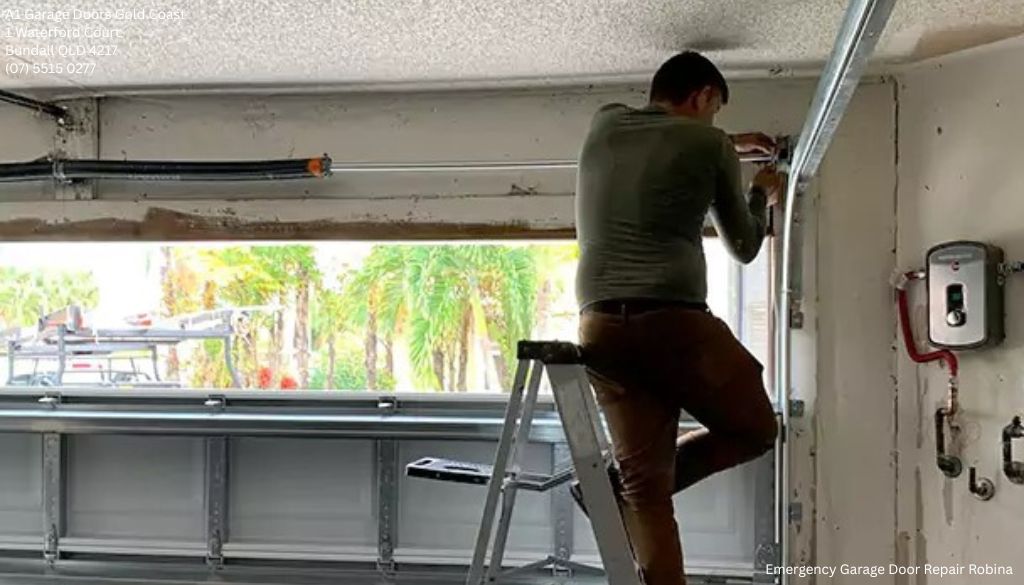
This is one of those areas where confidence can outrun expertise. A person may be very handy around the house and still not be in a position to judge whether a specific garage door and frame are appropriate for severe wind exposure. The most expensive mistakes are often made by people who were trying to save time and money with assumptions.
After the storm, patience is part of safety
The temptation after a severe storm is to step outside quickly, check damage, and get life moving again. Official advice in Queensland is clear that people should only go outside after it is officially safe. That applies to the garage as much as the front yard or roofline.
For some households, the garage is the first place they want to inspect because it is the route to the car, tools, or stored fix garage door supplies. That is understandable, but it is exactly where patience matters. If the garage door or surrounding area has been exposed to severe conditions, rushing to operate it or go outside too early can add risk to a bad situation.
A simple post-storm discipline helps.
Wait until authorities advise that it is safe to go outside. Approach the garage as a potentially affected entry point, not as routine access. Look for obvious issues around the opening before treating the door as normal. Keep outdoor movement to necessary tasks until conditions are clearly stable.That is not dramatic advice. It is the sort of steady discipline that prevents a second problem after the first one has passed.
A better way to think about the garage before bad weather
The most useful mental shift is this: stop treating the garage door opener as the main story. It is part of the story, and an important one when timing and access matter, but the larger issue is whether the garage opening supports the home’s resilience before, during, and after a power-related weather event.
If severe weather is common where you live, the right questions are not just, “Does the remote work?” or “Is the motor strong enough?” They are, “Can I secure this space before conditions worsen?” “Is the door appropriately rated or braced?” “Am I relying on a system that is convenient, or one that is actually suitable?” and “If I need garage door replacement, am I dealing with it early enough to matter?”
Those questions lead to better decisions. They also bring the garage back into proportion. It is not a minor household feature. It is one of the largest moving barriers in the home, one of the most common access points, and, in severe weather, one of the places where ordinary habits can have outsized consequences.
A reliable opener makes life easier. A properly prepared garage makes the home safer. The difference between the two is where good preparation starts.