A garage door that stops halfway, reverses for no obvious reason, or leaves a gap at the floor is more than a nuisance. It affects security, daily routine, and, in some homes, the main point of entry. When a door starts acting up, many owners focus on the most visible symptom and look for a quick fix garage door solution. Sometimes that works. Often, it does not last, because the closing problem is tied to wear elsewhere in the system.
That is why a full service check matters. A garage door is not one part. It is a working system made up of the door itself, the motor or opener, moving hardware, springs, and the way those parts stay aligned under regular use. If one area drifts out of condition, the problem can show up as a door that simply will not close properly.
On the Gold Coast, there is another factor to keep in mind. Local service providers point out that salt air, humidity, and heat can affect garage door hardware and increase maintenance needs. Even a door that looked fine a year ago may develop issues sooner in that environment than an owner expects.
Why a closing problem is rarely just a closing problem
When people describe a garage door not closing properly, they can mean several different things. The door may stop before reaching the ground. It may touch the floor, then lift back up. It may move unevenly or make enough noise that you can tell something has changed. In some cases, the opener strains but does not finish the cycle. In others, the door itself seems to bind or sit crooked.
Those are not all the same fault. They may stem from motor wear, garage door alignment problems, spring issues, or a combination of small mechanical changes that have built up over time. That is why experienced technicians tend to treat the symptom as a starting point, not a final diagnosis.
A homeowner may naturally zero in on the opener, especially if the remote still works and the motor can be heard running. But the opener can only do its job properly if the rest of the system is balanced and moving as it should. If the springs are worn, if the door is out of alignment, or if hardware has degraded in local coastal conditions, the opener may be compensating for a while before the closing problem becomes obvious. By the time the issue is visible, the system may already need broader attention than a simple adjustment.
What a full service check actually looks at
A proper service visit goes beyond the single complaint. Gold Coast garage door businesses commonly offer repairs, servicing, installations, and replacement of parts such as motors, remotes, and springs. That range of work reflects how many different components can affect door performance.
A thorough check typically considers the door’s travel, its balance, the condition of its springs, the operation of the motor, and whether the door is tracking and sitting correctly. It also looks at how the whole system behaves under load. A door can appear acceptable when opened manually for a moment, yet still reveal strain or inconsistency during a full operating cycle.
This broader view matters because garage door alignment https://goldcoastgaragedoorrepair.com.au/southport-qld/ is not an isolated cosmetic issue. If the door is not moving squarely or settling evenly, the opener may be doing extra work. If the spring system is no longer matched to the door’s needs, the closing cycle may become unpredictable. If hardware has been affected by humidity or salt air, the symptoms may come and go, which can mislead owners into delaying service.
A full check is also valuable because several components wear together. Springs are a good example. Safety guidance warns that garage door springs are under high tension and are dangerous to adjust or repair without the right training and tools. There is also practical judgment involved in replacement. When one spring breaks, both may need replacement because they often wear at a similar rate, and mismatched springs can create balance problems. That is the kind of issue a partial repair can miss.
The opener is often blamed first, but not always at fault
People often search for garage door opener repair as soon as the door stops closing correctly, and sometimes that is exactly what is needed. Motors do wear out. In the Gold Coast market, motor replacement and automation upgrades are widely offered, which tells you this is a routine part of garage door service.
Still, it is worth resisting the temptation to assume the opener is the whole story. A failing motor can certainly cause erratic performance, but it can also be the component reacting to problems elsewhere. If the door is heavy, unbalanced, or not tracking well, the opener may be working harder than intended. Replacing only the motor in that situation may restore operation for a time, yet leave the underlying cause untouched.
That is one reason a service technician usually watches how the door moves before deciding whether garage door opener repair is enough. A good diagnosis asks a simple question: is the opener failing, or is the opener struggling because the door system itself is no longer in proper working order?
The answer matters for cost as much as performance. A targeted repair is sensible when the rest of the system checks out well. A broader service becomes the better value when several parts have aged together.
Springs deserve special caution
Among all garage door components, springs are the area where do-it-yourself confidence can become dangerous very quickly. Public safety guidance is clear that these springs are under high tension. That tension is what helps a heavy door move with controlled effort. It is also what makes adjustment and repair hazardous without proper tools and training.
The risk is not theoretical. Even owners who are comfortable with general home maintenance should draw a hard line here. A door that is difficult to close, feels unusually heavy, or behaves inconsistently may indeed have a spring issue, but that is not a place for trial-and-error tinkering.
It is also worth knowing that spring problems do not always show up as a dramatic break. Gradual wear can change how evenly the door moves or how well it stays balanced. That can look, at first glance, like a garage door alignment problem or an opener problem. A full service check helps sort out which part of the system is actually responsible.
Climate takes a bigger toll than many owners realize
In coastal and humid areas, small mechanical issues can accelerate faster than people expect. Gold Coast service providers specifically note the impact of salt air, humidity, and heat on garage door hardware. That is useful context because many homeowners judge garage door condition by age alone. They assume a door is either old enough to need work or not. In practice, environment matters just as much.
Heat can compound wear over time. Humidity can affect metal garage door resource components and moving parts. Salt air adds another layer of stress to exposed hardware. None of that means every door will fail early, but it does explain why regular servicing is not just a sales suggestion in these areas. It is preventive maintenance tailored to local conditions.
This is one of the strongest arguments for an annual service check. At least one Gold Coast provider recommends professional servicing every 12 months to help prevent breakdowns and extend the life of the door and motor. That schedule is sensible because it catches problems before they force the door out of service on a rushed weekday morning.
Signs that point to a full service, not a quick adjustment
Some closing issues can look minor until you pay attention to the pattern. The following signs usually justify a proper inspection rather than another temporary workaround:
- The door reaches the ground and then reverses. The closing motion looks uneven or the door appears slightly out of square. The opener sounds strained, louder than usual, or inconsistent. The problem comes and goes, especially during hot or humid periods. The door has not been professionally serviced in about 12 months or longer.
What links these symptoms is uncertainty. Any one of them might seem manageable on its own. Together, they suggest the system needs a full look, not a guess.
When homeowners try to fix the wrong thing
A common pattern is to focus on the symptom nearest to hand. If the remote works intermittently, the owner thinks the remote is the problem. If the motor hums, they assume the motor has failed. If the bottom edge does not sit flat, they assume the floor is uneven. Occasionally those guesses are right. Just as often, they send attention away from the real issue.
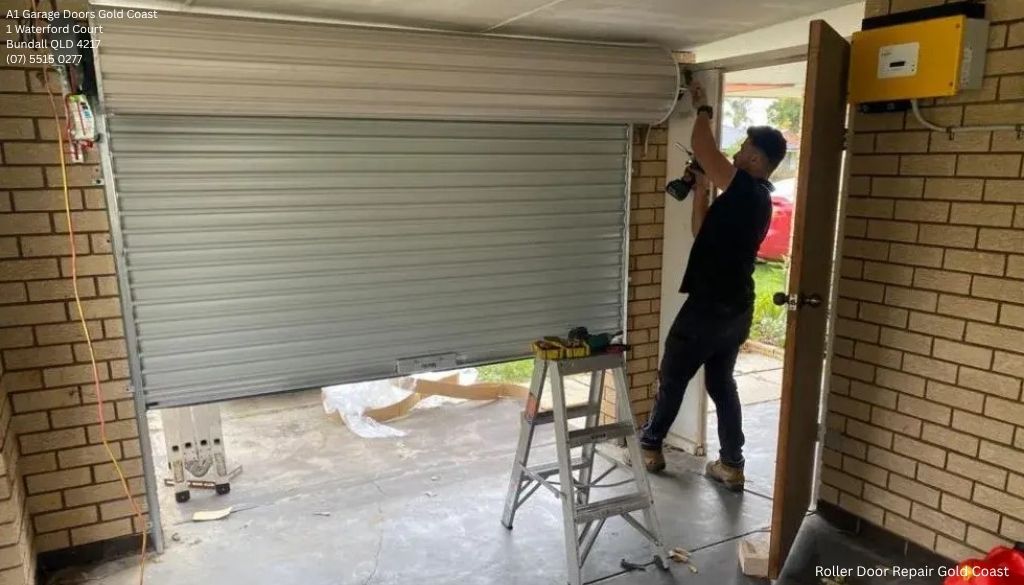
Take a door that closes unevenly and occasionally reverses. An owner may spend time trying to fix garage door behavior by resetting the opener or replacing a remote. But if the real cause is progressive wear affecting balance or alignment, those efforts will not address the strain in the system. The door may continue operating for a while, which creates a false sense of success, then stop again at the worst moment.
This is where professional judgment earns its keep. Not because every problem is complex, but because garage door faults can overlap. A spring can affect balance. Balance can affect tracking. Tracking can affect how the opener behaves. By the time the owner notices one symptom, several components may be part of the same chain.
Alignment is not just about looks
When people hear garage door alignment, they often picture a visibly crooked door. Sometimes misalignment is that obvious. Other times, it is subtle enough that you only notice it in movement. The door may hesitate, lean slightly during travel, or close with more pressure on one side than the other.
That matters because alignment affects how the whole assembly works together. A door that is not moving cleanly can place extra demand on springs and opener components. Even if the door still opens and closes most of the time, it may be doing so inefficiently, and that creates wear that spreads.
A service check can identify whether alignment is the primary issue or part of a larger maintenance picture. That distinction is important. Correcting garage door alignment without addressing a worn spring or struggling opener can produce only partial improvement. On the other hand, correcting the system as a whole can restore smoother travel and reduce the chance of repeat breakdowns.
Repair, replace, or upgrade?
Not every service call leads to the same recommendation. Some doors need only repair and adjustment. Some need spring replacement. Some need motor work. Gold Coast businesses commonly handle all of these, including replacement of motors, remotes, and springs, plus automation upgrades for existing doors.
The right choice depends less on one dramatic fault and more on the condition of the full system. If a motor is failing but the door itself remains in good shape, garage door opener repair or motor replacement may be the logical step. If the springs are worn and the door is no longer balanced, spring work becomes more urgent. If several components have aged together, combining repairs in one visit can make more sense than spacing them out and paying for repeated service interruptions.
Automation upgrades can also enter the conversation for owners with older setups. If the door structure is sound, upgrading the motor or control system may improve convenience and reliability. That said, an upgrade should not be treated as a substitute for resolving basic mechanical issues. New automation attached to an out-of-condition door system is not much of an improvement.
What to do before booking service
There is a difference between being observant and attempting risky repairs. Homeowners can help the service process by noting what the door is doing, when the problem started, and whether it is constant or intermittent. That information makes diagnosis faster and more accurate.
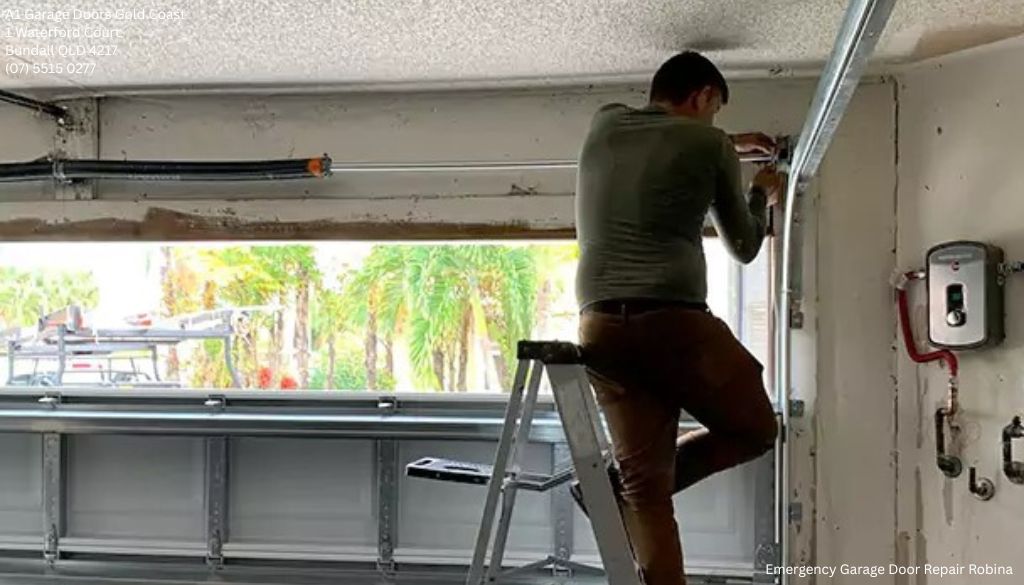
A useful way to prepare is to pay attention to a few practical details:
- Does the door stop at the same point every time, or is it random? Is the issue limited to closing, or does opening also feel uneven? Has the sound changed recently, even if the door still works? Has any part already been replaced in the past, such as the motor or springs? When was the last professional service check?
Those observations can tell a technician whether they are likely dealing with a single failed part or the accumulated effects of wear.
What homeowners should not do is attempt spring adjustment or other high-tension work. That crosses from simple observation into a genuine safety hazard. If the door seems heavy, crooked, or unstable, stop using it until it can be properly assessed.
Why annual servicing is easier than emergency repair
A door that fails to close properly tends to be treated as an urgent annoyance, but the better time to address garage door health is before the failure. The annual service recommendation from a Gold Coast provider is a practical benchmark, especially in a climate where hardware sees extra environmental stress.
Regular servicing does two things. First, it helps prevent breakdowns. Second, it can extend the life of both the door and the motor. Those are not glamorous benefits, but they matter. Most owners do not think about their garage door until it stops cooperating, and by then the repair decision is being made under pressure.
A scheduled check creates room for judgment. A technician can spot signs of wear, flag parts that may need attention soon, and deal with developing issues before they turn into a door that will not close at all. That is usually more convenient than arranging urgent service when the car is trapped inside or the garage cannot be secured overnight.
The value of looking at the whole system
When a garage door starts misbehaving, it is tempting to look for the cheapest isolated answer. Sometimes that answer exists. But in many real cases, a door that is not closing properly is asking for a full service check because the fault is distributed across the system.
That is especially true in places like the Gold Coast, where heat, humidity, and salt air can push hardware along faster than owners expect. The symptom may appear in the opener, but the root cause may involve springs or garage door alignment. The visible problem may seem minor, but the safety concern may sit in a high-tension component that should never be handled casually.
If your first instinct is to find a quick way to fix garage door trouble, it is worth pausing and broadening the question. Not, “How do I make it close today?” but, “What is the door telling me about its overall condition?” That shift in thinking often leads to the right repair, fewer repeat issues, and a door that works the way it should, quietly, consistently, and without surprises.